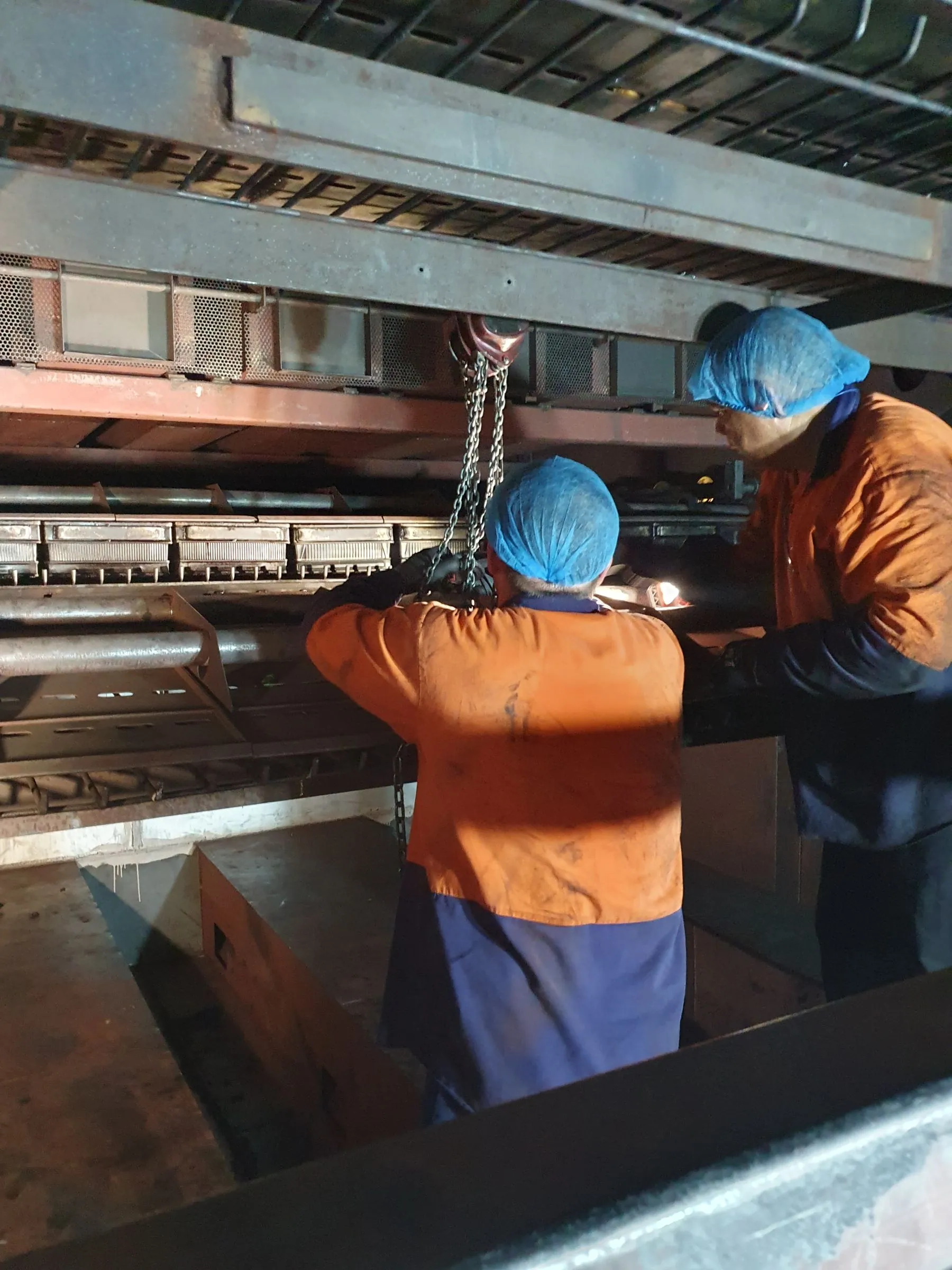
Shutdown and planned maintenance support
Additional electrical labour for planned downtime. Deferred repairs, inspections, modifications and installation work, scoped and prepared before the plant stops.
Manufacturing, food production and processing sites across South East Queensland and Northern NSW.
Shutdown electrical work
The work that needs planned downtime
Most sites carry a list of electrical work that cannot be done while production is running. A shutdown is the opportunity to get through it.
Deferred repairs
Faults and defects identified through the year that were left because the plant could not be stopped to deal with them properly.
Motor and drive work
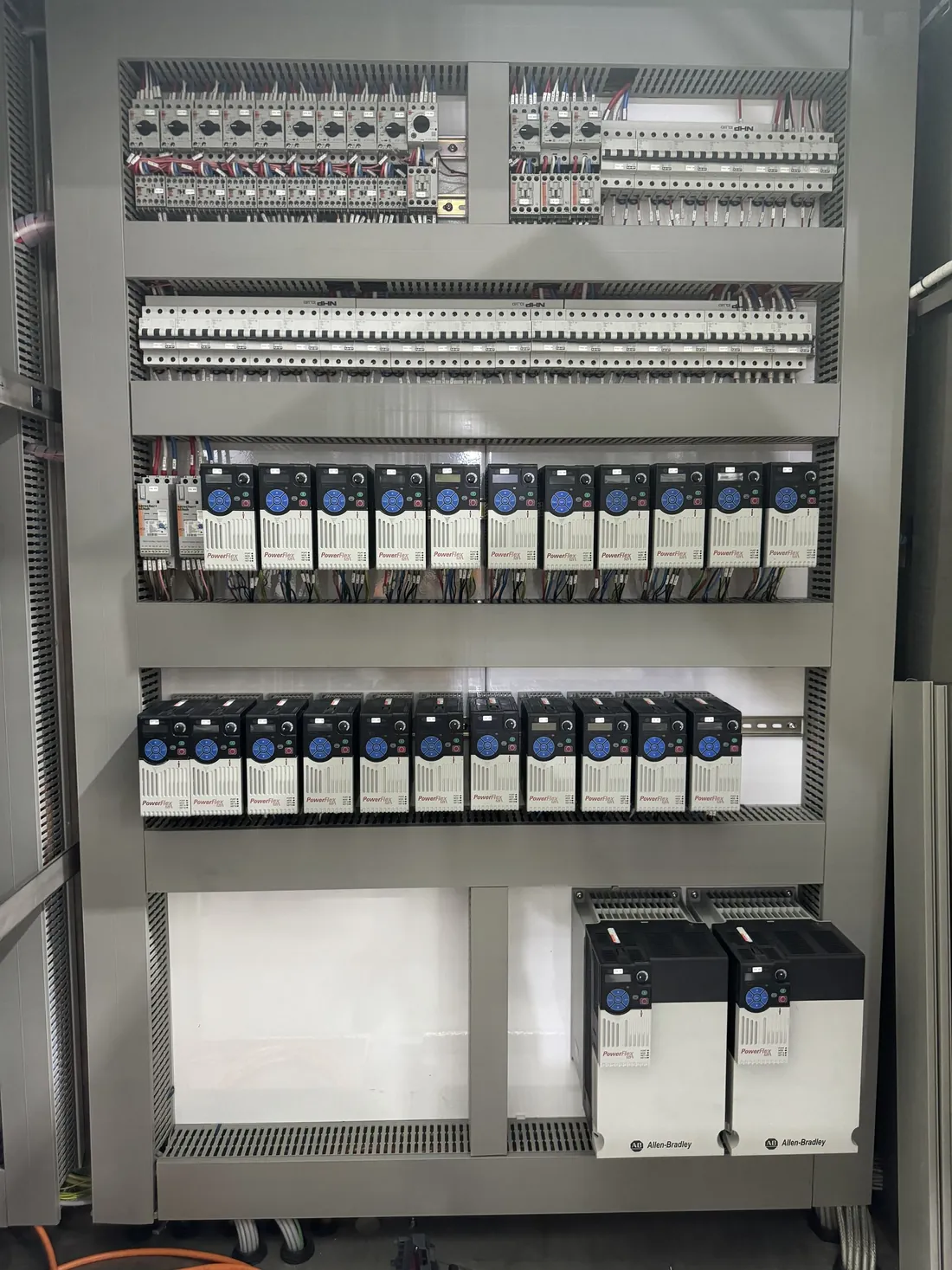
Motor replacement, reconnection, insulation resistance testing, starter and overload work, plus drive replacement and configuration scheduled into planned downtime.
Switchboard and MCC work
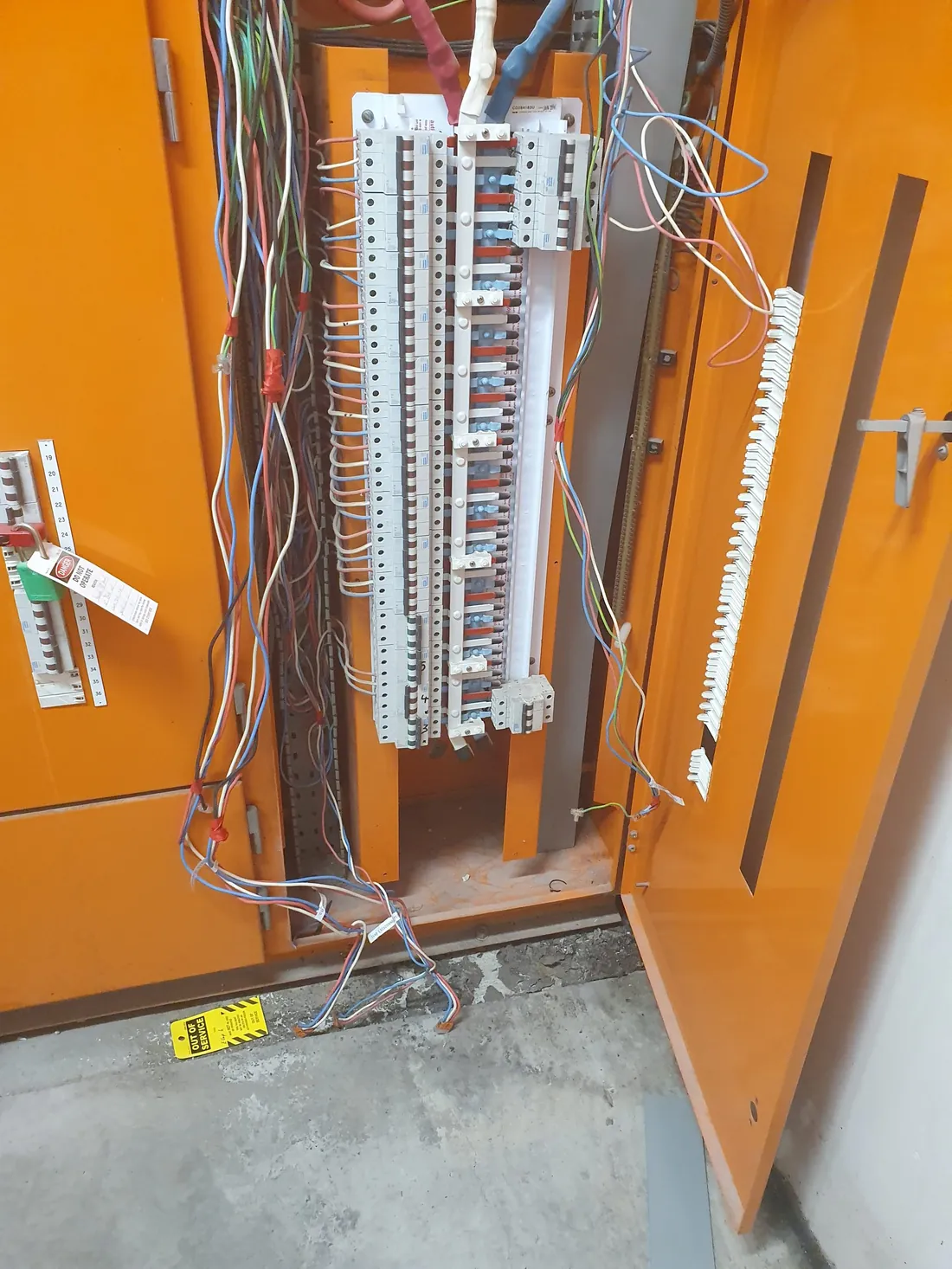
Repairs, modifications, additional circuits and upgrades to distribution boards and motor control centres requiring planned isolation.
Inspection and testing
Electrical inspection and testing that requires plant isolated and covers off, including work that is impractical during production.
Machinery and line modifications
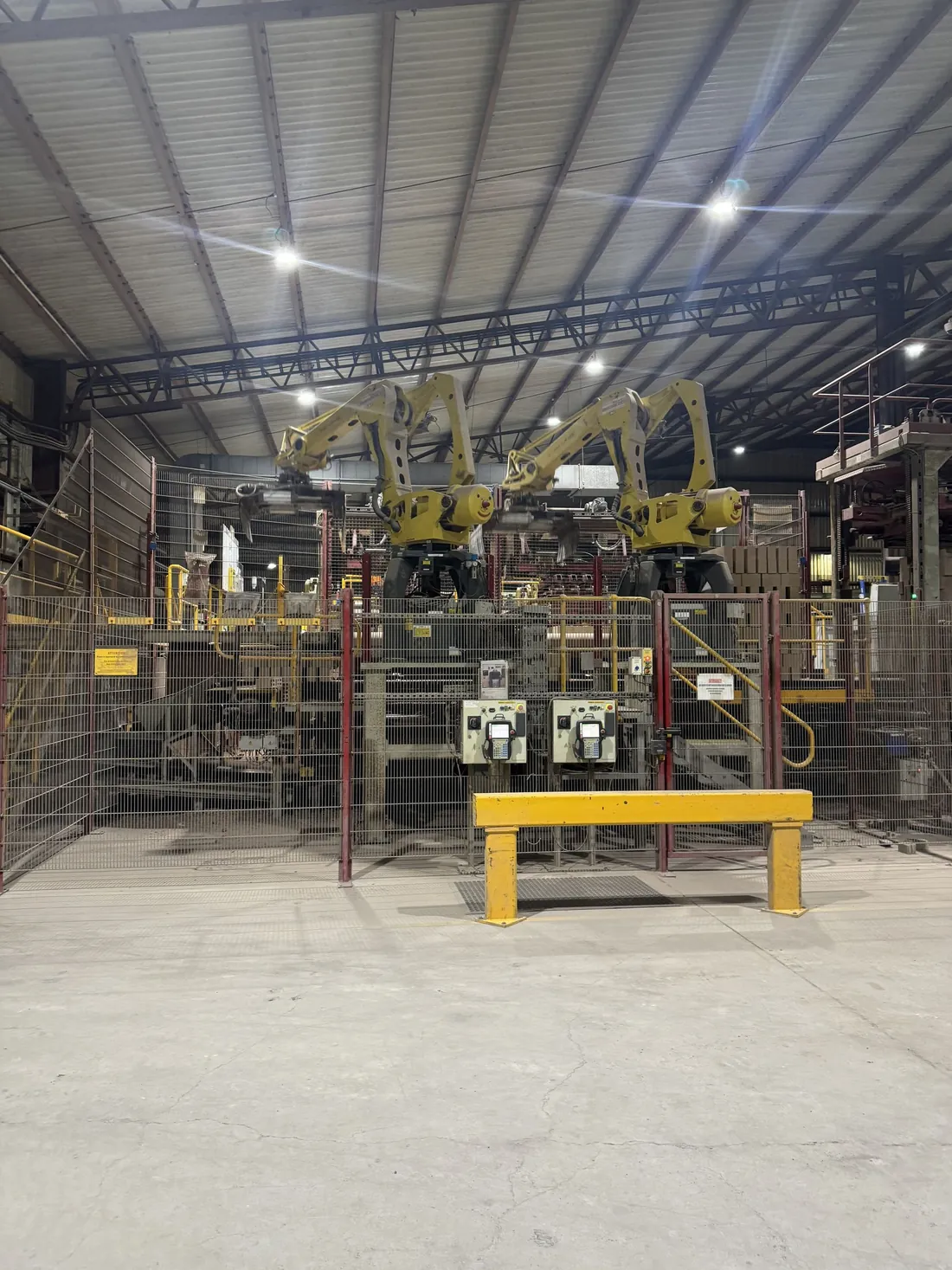
Changes to production equipment, line modifications, relocations and control circuit alterations scheduled into the window.
Installation work
New plant and equipment installation, power distribution, cabling and containment work planned around the shutdown programme.
Equipment we work across regularly:
How we approach it
The window is fixed, so the preparation matters
The shutdown window is fixed, so the electrical work needs to be properly scoped, prepared and sequenced before the plant stops. Our job is to complete the agreed electrical scope efficiently, work within the site's shutdown plan, and raise anything that could affect the programme as early as possible.
In practice the electrical scope runs in this order:
- Scope. Agree the electrical work before the shutdown where that is practical, and be realistic about what fits into the hours available.
- Resources and materials. Identify parts and long-lead items against the date, so nothing is discovered missing once the plant is down.
- Isolation and access. Work out what has to be isolated, and how each task is reached, in advance rather than on the day.
- Execution. Complete the agreed scope to the site's shutdown plan, coordinating with your maintenance team and the other trades, and raise delays, discoveries and scope problems early rather than at the end.
- Handover. Return the plant to service with the testing and documentation the work requires.
Sparktech has experience working planned shutdowns and production downtime. Much of what determines whether electrical work runs smoothly is settled before the plant stops, not during it.
Planning ahead
Worth a conversation before the date
Shutdowns are usually planned months out, and the electrical scope tends to be settled late. Starting the conversation early gives us more opportunity to understand the requirement and prepare for the window properly.
A scope walk before the window
Going through the electrical work list on site, so what is being planned reflects what is actually there rather than what was written down last year.
Separating what genuinely needs the plant down
Some work on a shutdown list can be completed while the plant is still running. Identifying that early means shutdown hours are not spent on work that never needed the window in the first place, which leaves more time for the work that does.
An agreed electrical scope
Clear on what is in, what is out, and what is realistic in the hours available. If something will not fit, it is better to know that while there is still time to plan around it.
Findings from planned electrical maintenance through the year are what should be feeding the shutdown list. If we are already maintaining the plant, the scope is largely written before anyone sits down to plan.
On site
We work to your systems, not our own
A shutdown is the most tightly controlled environment on most sites, with several trades working at once. We work within your existing structure and procedures rather than running things independently.
- Site inductions and site-specific rules
- Permit to work systems
- Isolation, lockout, tagout and verification procedures
- Your electrical safety procedures
- Work orders and tasks as scheduled by the site
- Coordination with your maintenance team and other trades
- Reporting back to your maintenance supervisor or engineering team
- Completing the job documentation your site requires
Different sites run different systems, and we expect to work to yours.
Related
Other ways we support maintenance teams
Shift cover
Additional electrical labour when your team cannot cover the shutdown and keep the rest of the site going.
Projects & installations
Machinery installation, line modifications and distribution work, planned around production.
Industrial electrical maintenance
Planned electrical maintenance through the year, which is where most shutdown work lists come from.
Where we work
Sites we support
South East Queensland and Northern NSW, from Tweed Heads through the Gold Coast, Yatala, Beenleigh and Logan to Brisbane. Licensed in both states, so sites either side of the border are equally in scope.
Get in touch
Shutdown coming up?
Tell us the dates, the site and roughly what is on the electrical list. Early is better than late, and there is no cost to having the conversation.
0434 059 952